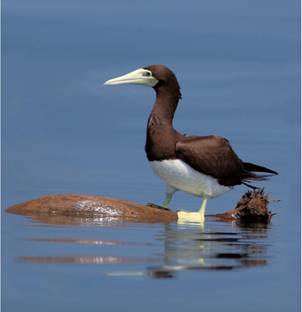


According to the MNPH, reports written in 1867 by the British adventurer Cuthbert Collingwood listed the brown booby as the dominant species in the Dongsha region. However, from the 19th century onward, the brown boobies began to disappear due to human activity among other reasons. These are the first official records after the establishment of Dongsha Atoll National Park. These two reports written 148 years apart are an inspiration to researchers and the MNPH.
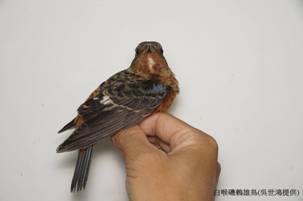
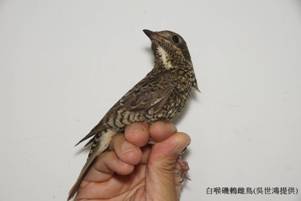
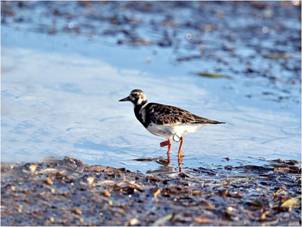
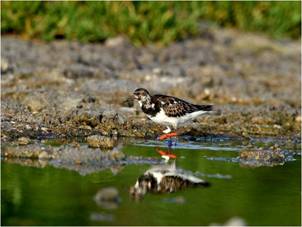
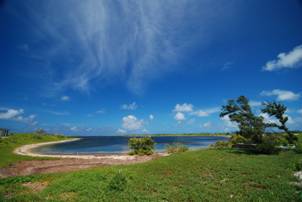
Migratory birds from Mainland China's Chongming Island, north-western Australia, south-eastern Australia as well as the Taiwanese main island have been discovered on Dongsha Island so far. This April, a ruddy turnstone with orange and blue banding was captured. After cross-checking with various bird research platforms, researchers discovered it was the same individual released from King Island in south-eastern Australia, over 7000 kilometers away from Dongsha, in March 2014. According to the MNPH, the geographical position, plant life and wetland terrain make it a prime location for migratory birds to rest and forage. Other than the special brown booby, the rare white-throated rock thrush was also released after it was attached a ring symbolizing Taiwan by professionals from the Kaohsiung Wild Bird Society.
According to the MNPH studies of birdlife have been ongoing since the establishment of the Dongsha Atoll National Park. Bird banding is especially important because it has the purpose of revealing information about the visiting and migration of the birds. Through attaching bands and rings with different colors and numbering, we believe the mysteries of Dongsha migratory birds will soon be revealed.