


The Marine National Park Headquarters (hereinafter MNPH), in collaboration with the Dongsha International Marine Research Station of National Sun Yat-sen University, has completed this year’s comprehensive survey of coral reefs in Dongsha Atoll National Park. The average coral cover was approximately 62.3% on the outer atoll and 51.0% in the lagoon inside the atoll, both exceeding the coral reef health standard of 50%. However, the outer atoll monitoring stations showed a decline compared to the previous year, mainly due to significant differences in coral cover at the east-facing stations. This decline is likely the result of Typhoon Mangkhut, which passed from the south in mid-September, causing prolonged wave impacts on the windward reefs.
Over recent years, Dongsha Atoll National Park has established several fixed monitoring stations at different orientations around the outer atoll and inside the lagoon to track coral cover and monitor long-term changes. As early as 2017, surveys showed that the north reef outer station declined from 88.1% in 2016 to 61.3% due to typhoon impacts. This year, seven fixed stations were surveyed. Most stations remained stable, with the southern outer reef showing the highest coral cover at 80.6%, followed by the north reef at 66.9% and the west reef at 61.9%. The east reef, however, dropped sharply to around 40%. The lagoon’s hydrological conditions and coral assemblages differ significantly from the outer atoll. Concerns about coral bleaching due to high summer temperatures were alleviated this year because multiple typhoons and tropical disturbances between July and September prevented prolonged high temperatures in the lagoon. Therefore, no severe coral bleaching was observed, with an average cover of approximately 51%.
MNPH noted that the surveys of the eastern and southern stations were conducted shortly after Typhoon Mangkhut, allowing for timely observation of post-typhoon reef conditions. The typhoon, which formed in mid-September and moved from Luzon, Philippines toward Hong Kong, passed directly over Dongsha Atoll. Two weeks after the typhoon, surveys at approximately 10 meters depth showed that the southern reef was relatively unaffected due to terrain buffering and shorter wind exposure. In contrast, the east reef, facing the wind, declined from 76.3% to around 40%. Previously rich habitats with diverse coral types were severely damaged, with many branching and plate corals broken, leaving only partial tissue, and abundant newly grown green algae observed. As Typhoon Mangkhut approached from the southeast of the atoll and moved northwest, the east-facing stations experienced prolonged strong waves and winds, causing more significant impacts. Recent surveys have consistently shown that typhoons are a major factor causing fluctuations in coral cover on the outer atoll reefs.
MNPH emphasized that Dongsha Atoll, being remote and minimally impacted by humans, provides an excellent site to directly observe environmental changes. Recent surveys indicate that typhoons can cause substantial physical damage to coral reef habitats but may also help prevent prolonged high water temperatures in enclosed lagoon areas during summer, reducing mass coral bleaching and mortality. These events are part of the natural ecological cycle. The post-typhoon survey images allow for observation of the coral recovery process.
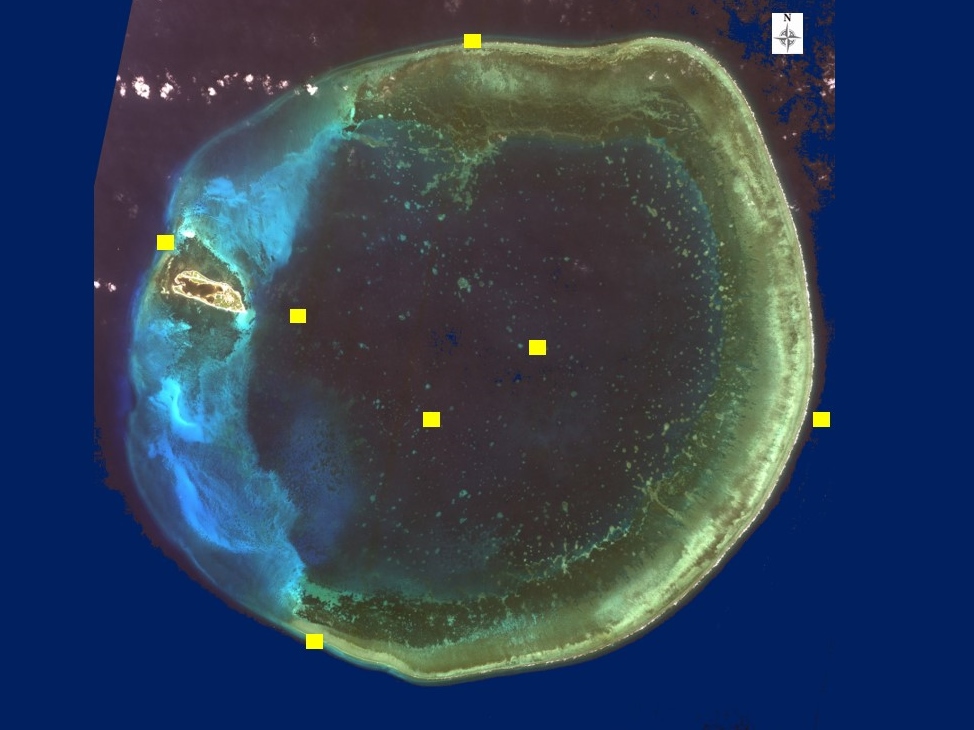
Figure 1 – Long-term fixed monitoring stations of the comprehensive coral reef survey in Dongsha Atoll National Park
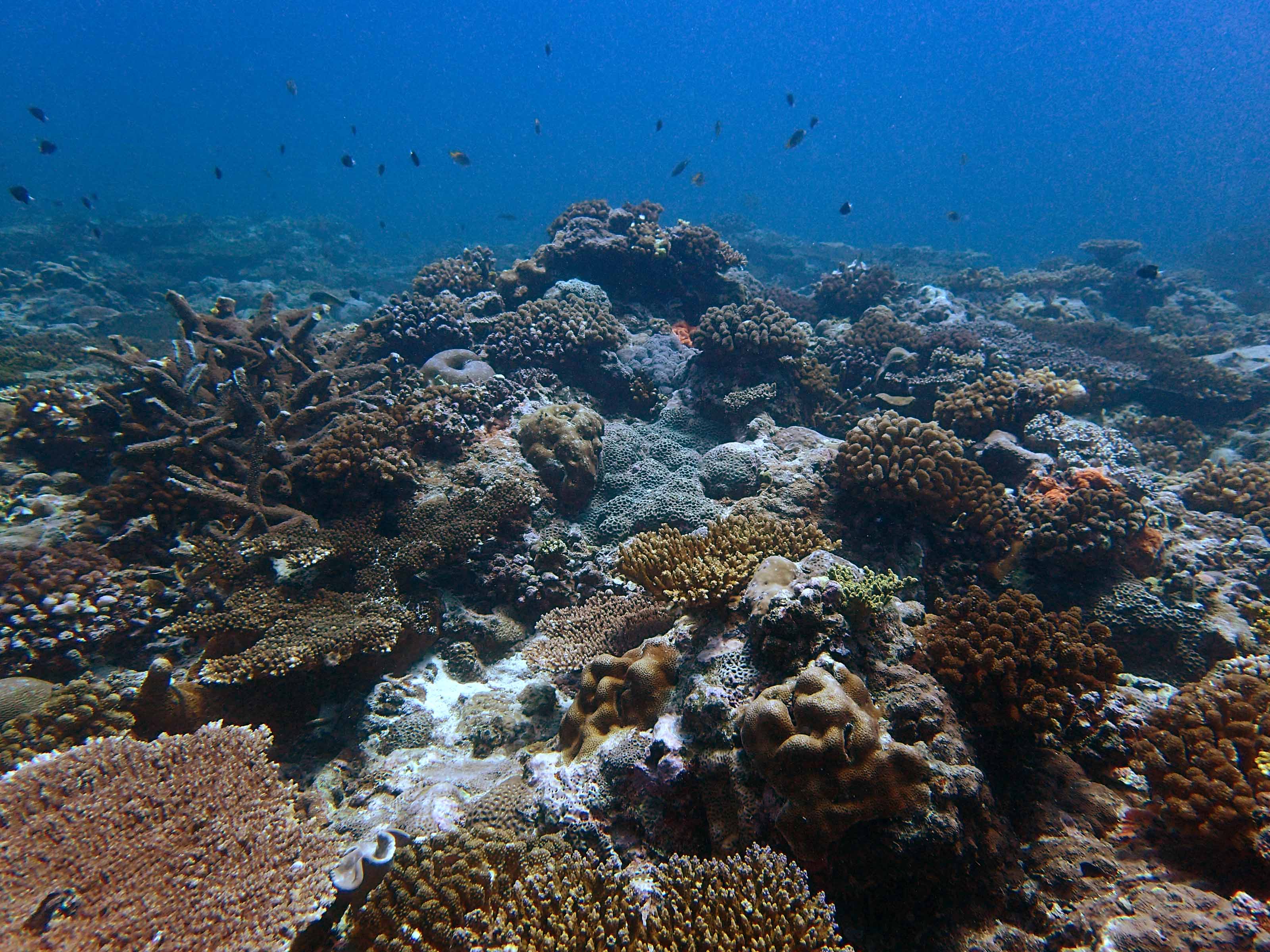
Figure 2 – Southern outer reef of Dongsha Atoll showing high coral cover and better three-dimensional structure
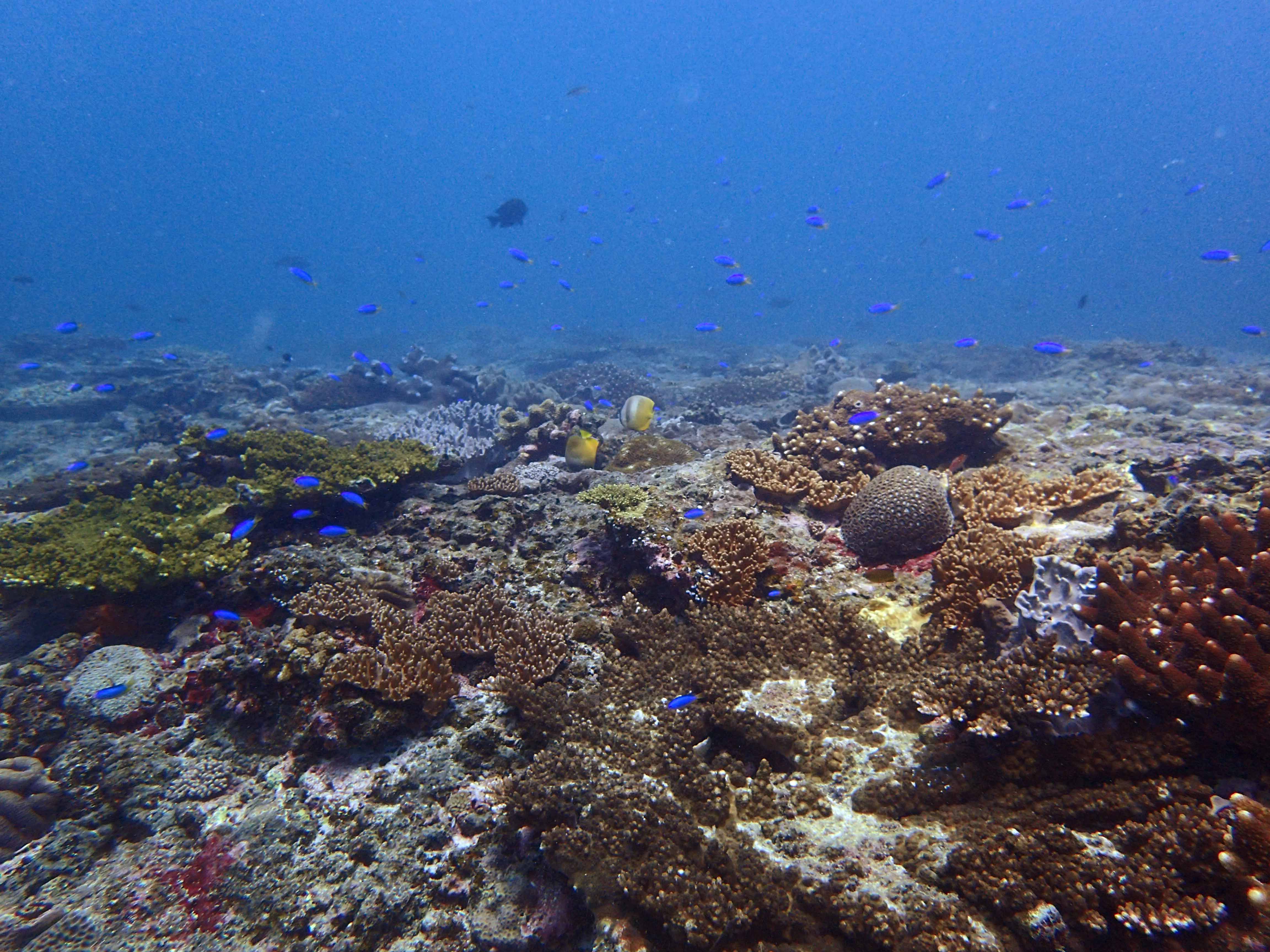
Figure 3 – Eastern reef dominated by low mound-shaped corals to withstand strong currents

Figure 4 – Same eastern reef station surveyed two weeks after Typhoon Mangkhut, showing severe coral damage and abundant algal growth