

About “Flying Fish” and “Digital”
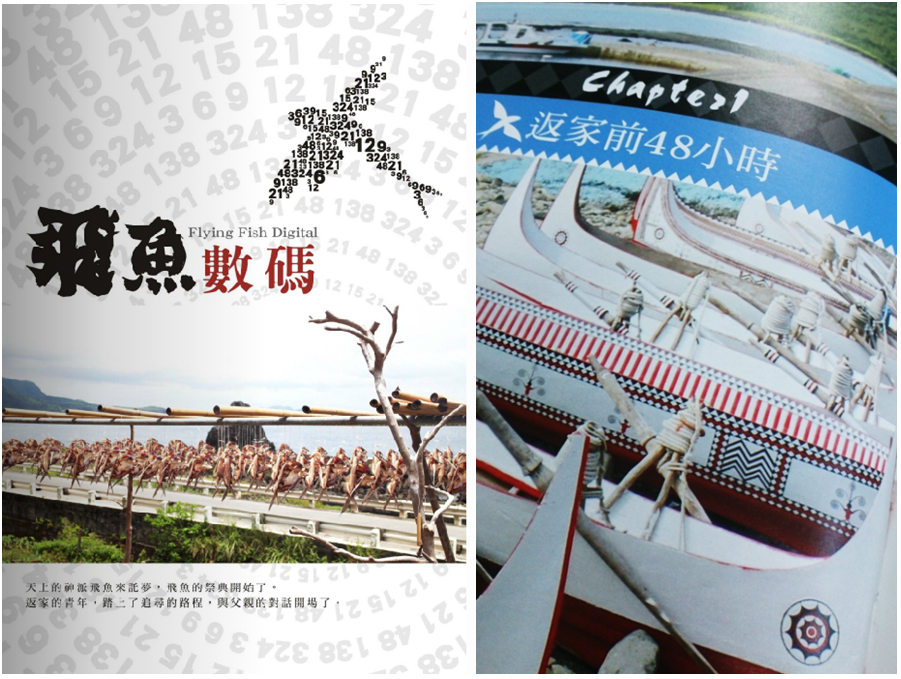
“Flying Fish” is the most sacred and significant symbol in the culture of the Tao (Yami) people, while “Digital” represents modernity and technology—metaphorically expressing the dialogue and communication between “tradition” and “modernity.” Through the publication of Flying Fish Digital, the Marine National Park Headquarters records flying fish culture, ritual activities, and their cultural meanings in both text and imagery. The book helps more people understand the customs and taboos observed on Orchid Island during the flying fish season, while also sharing and promoting efforts to preserve and pass down this traditional culture.
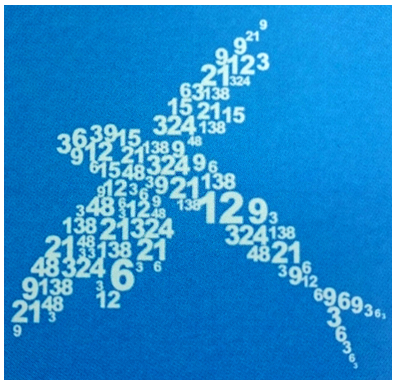
The flying fish totem designed with numbers serves as the main visual element of the book, symbolizing dialogue between tradition and modernity.
The Flying Fish Festival Begins—A Returning Youth Embarks on a Journey of Rediscovery
The story begins with a Tao (Yami) protagonist living away from home, who recalls his cultural roots during a conversation with a friend and decides to return—after a long absence—to his homeland, Orchid Island. Upon leaving the city and returning home, he feels uncertain about the traditional culture he once left behind. Guided by his father, granduncle, and uncle, he embarks on a journey to relearn Tao culture. Beginning with the Flying Fish Calling Festival, the protagonist reconnects with various seasonal rituals, cultural taboos, and traditional wisdom in utilizing marine resources—strengthening the bonds between villages, clanspeople, and the ocean itself, and rediscovering pride and confidence in his cultural identity. Meanwhile, his father represents the generation most impacted by the clash between tradition and modern civilization, worrying not only about whether the younger generation can inherit their heritage, but also about how their people can adapt within a modernized society.
A First-Person Narrative That Draws You into the Scene
“Every morning when I wake, I vividly remember that recurring dream.
‘Come on, come catch me. The game of hide-and-seek has begun!’ said the flying fish in my dream…
After speaking, it leapt into the dark sea, its shining wings flashing in the night.”
The entire book unfolds from the first-person perspective of the Tao (Yami) protagonist, allowing readers to step directly into the story and experience its progression firsthand. Readers participate in conversations, actions, and dialogues, intimately sensing the protagonist’s thoughts, emotions, and reflections on key characters and events. The perspectives and actions of a general outsider (the protagonist’s friend) are also incorporated to create narrative tension, while helping readers better understand the rituals and taboos associated with flying fish culture.
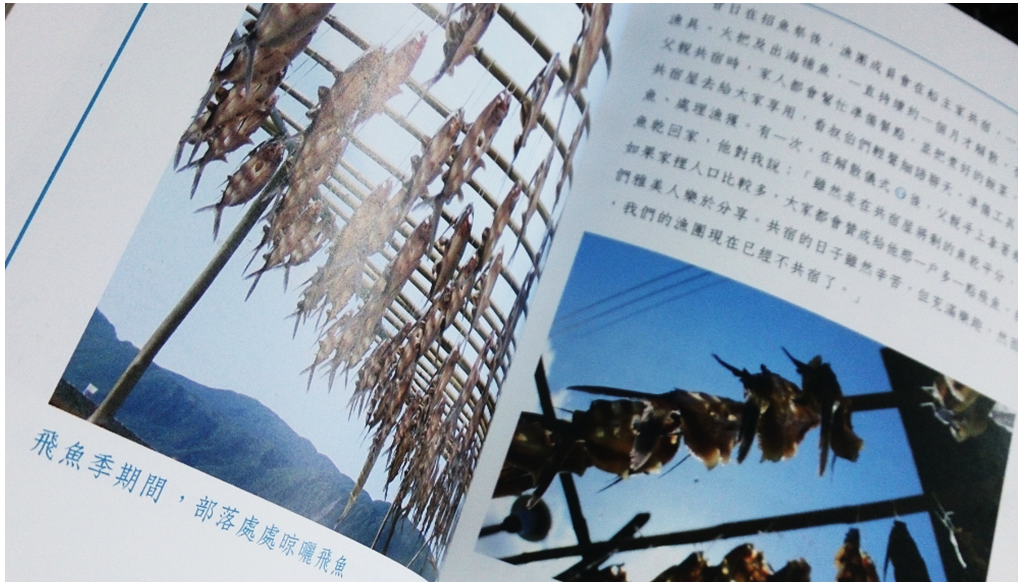
As the story unfolds, appropriate imagery enhances the reading experience (photo reproduced from the physical copy of Flying Fish Digital).
Beyond the flying fish season, the geography of Orchid Island is deeply intertwined with its cultural context. The flying fish season represents not only a time of year, but also cultural meanings embodied in rituals such as the Flying Fish Calling Festival, the Celebration Festival, and the Final Fish Consumption Ceremony. During these ceremonial periods, readers also encounter the Tao’s large canoe culture, the underground houses considered potential World Heritage assets, traditional attire, free-range livestock practices, crab culture, and the flavorful cuisine proudly prepared by women—together portraying the rich substance of flying fish culture.
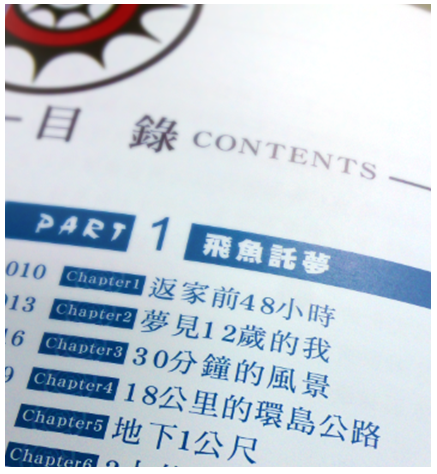
Numbers in the Chapter Titles—Hidden Secrets of the Tao (Yami) People
In traditional Tao (Yami) society, odd numbers symbolize good fortune during the flying fish season, with “3” regarded as the most auspicious number. Chapter titles incorporate culturally meaningful numbers such as 48, 12, 30, 18, 21, 324, and other multiples—grounded in tradition and symbolically conveying blessings and good fortune.
How to Purchase Flying Fish Digital
This book is available at the Government Publications Online Bookstore (GB), the National Bookstore Songjiang branch, Wunan Cultural Plaza, Youth Bookstore, and the Marine National Park Headquarters service counter.