

“Separated from the water they depend on for survival, schools of fish struggle and thrash desperately on the deck, while on the other side of the camera, humans eagerly place slices of sashimi into their mouths…” This scene is not from a Hollywood horror film, but from the documentary The End of the Line – How Overfishing is Changing the World and What We Eat, adapted from the book by British journalist Charles Clover and funded by European and American NGOs and foundations. On April 17, the Marine National Park Headquarters held a lecture titled “The End of the Line – The Global State of Fisheries,” using this documentary to explore long-ignored fishery issues, the causes of overfishing, and the new concepts and actions needed in fisheries management, economics, and conservation.
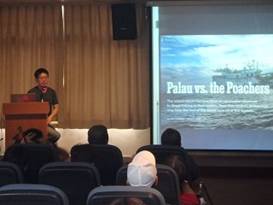
The April 17 marine conservation lecture: “The End of the Line – The Global State of Fisheries”
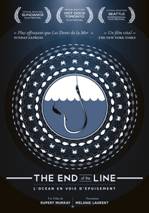
The documentary “The End of the Line”
When Fish Become Extinct
Taiwan’s Bluefin Tuna Season was once a highly anticipated annual tourism event. Competing fishermen hauled in large bluefin tuna amid lively celebrations, and public desire grew with each record-breaking catch. Statistics show that Taiwan’s bluefin tuna catch dropped dramatically from 6,686 fish in 2001 to only 505 in 2012—a decline of over 90%. As magnificent bluefin tuna are sliced into pieces of sashimi and consumed, satisfying vanity and appetite alike, the crisis facing the oceans and fisheries becomes increasingly evident. According to research by the International Scientific Committee for Tuna and Tuna-like Species in the North Pacific Ocean (ISC), Pacific bluefin tuna stocks declined by 96.4% between 1952 and 2011. Today, consuming large predatory fish has become a high-end luxury. Human consumption patterns directly impact declining fish stocks, reminding us that the ocean is not an inexhaustible resource.
The documentary presents stark statistical curves showing the rapid decline of large ocean fish populations. Scientists predict that if humanity continues destructive exploitation and overfishing, there may be no wild fish left to eat by 2048, with aquaculture replacing wild capture fisheries. This is not alarmism. Historical data consistently reveal warning signs—for example, in 1990, stocks of cod and many other large fish species plummeted. Although a ban on Atlantic cod fishing was enacted in 1992, the damaged marine ecosystem has yet to recover. Another sobering scene from the film notes that “longline fisheries worldwide deploy nearly 1.4 billion hooks annually—if connected, the lines would circle the Earth 550 times; the largest trawl nets in the world are large enough to hold 13 Boeing 747 aircraft…” Such massive trawling operations can capture entire schools of bluefin tuna in a single sweep. Ironically, while humanity prides itself on advances in fishing technology, we often fail to realize the irreversible harm inflicted upon marine resources for future generations.
Let Protection Have No End
The depletion of fishery resources is often attributed to climate change, habitat destruction, and pollution. However, human overfishing is the true culprit. Rising seafood demand, advanced fishing equipment, expanding fishing grounds, and improper management and resource utilization all accelerate the exhaustion of fishery resources.
Surrounded by the sea, Taiwan’s seafood culture forms an important part of its marine heritage. This does not mean seafood must be prohibited, but while consumers focus on freshness and hygiene, deeper concerns—such as whether a species is endangered or whether it was harvested sustainably—are often overlooked. The “Taiwan Seafood Guide,” compiled by domestic experts, provides recommendations for purchasing and consuming seafood based on principles of marine sustainability. It encourages consumers to understand seafood sources, choose sustainable options, and reduce or refuse endangered species. By changing everyday habits, we can support marine conservation and reduce excessive depletion of marine resources, allowing the ocean to thrive indefinitely. (Related link: Taiwan Seafood Guide.)
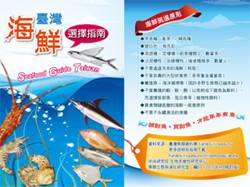
Taiwan Seafood Guide
The Marine National Park Headquarters continues to promote sustainable marine conservation. In addition to actively conducting conservation research to monitor Taiwan’s marine environment and implementing restoration measures to enhance ecological balance, environmental education remains equally vital. Through various activities and lectures, the Headquarters shares marine knowledge in accessible ways and explores global ocean crises. By deepening public understanding of the ocean, it hopes to inspire greater awareness of the importance of marine protection—so that what truly has no end is our passion and perseverance in safeguarding the ocean.
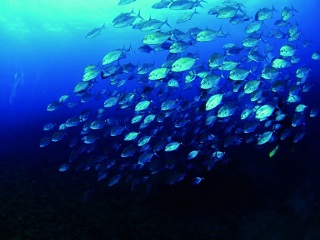
Fishery resources are not inexhaustible; establishing proper marine indicators is key to sustainable ocean ecosystems.