


Sharp Decline in Coral Coverage Observed at the Southern Four Islands
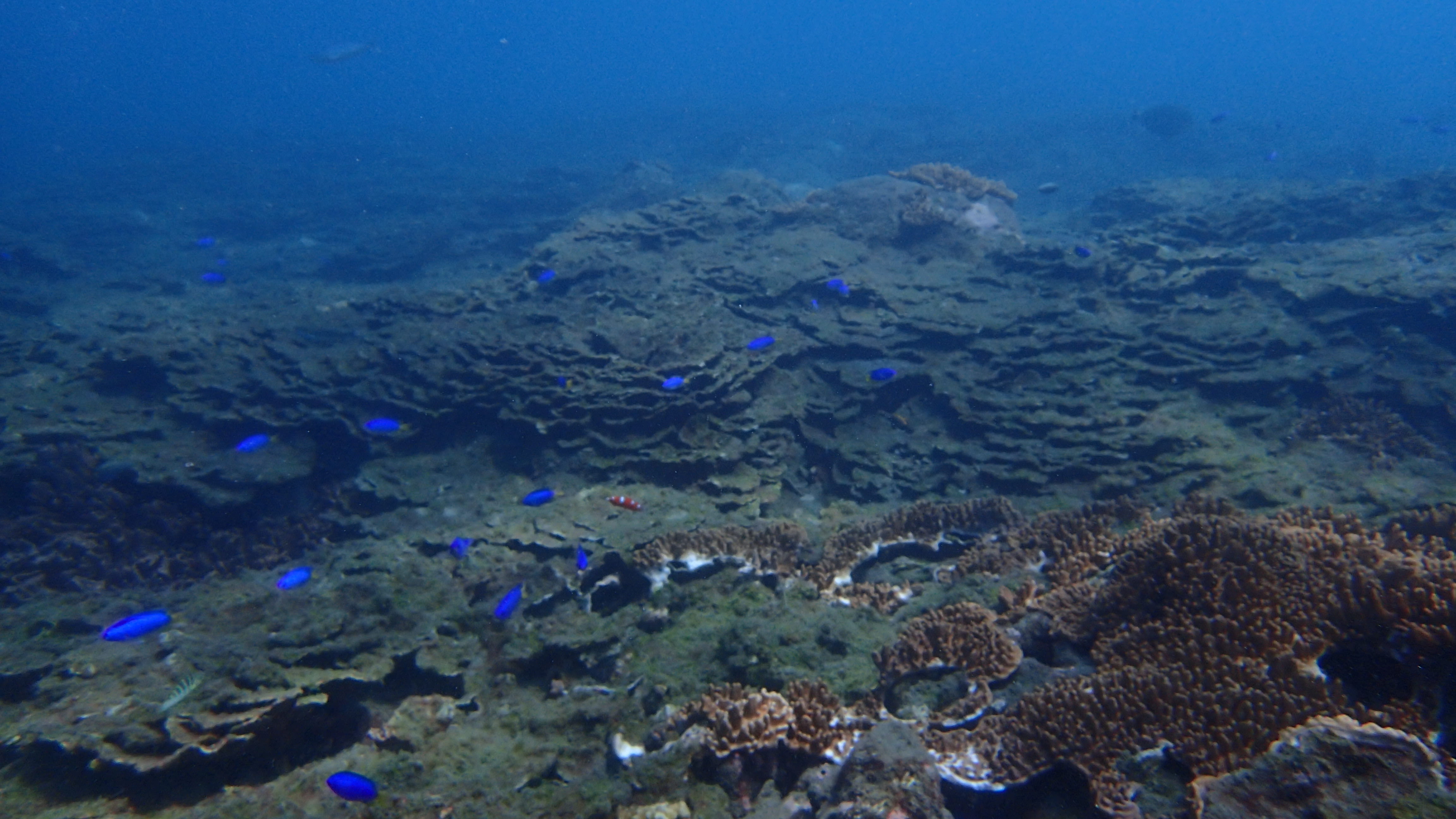
Penghu, Taiwan – The Marine National Park Headquarters (MNPH) conducted two field surveys in March and April this year and compared the results with historical data. The surveys revealed a significant decline in coral coverage around the Southern Four Islands, with coverage dropping to approximately 20%, indicating poor coral health. Previously dominant species, such as table-shaped Acropora and plate-like Montipora, have suffered extremely high mortality rates, with less than 5% of the original populations remaining. MNPH suspects that these dramatic declines are linked to changes in the broader marine environment.
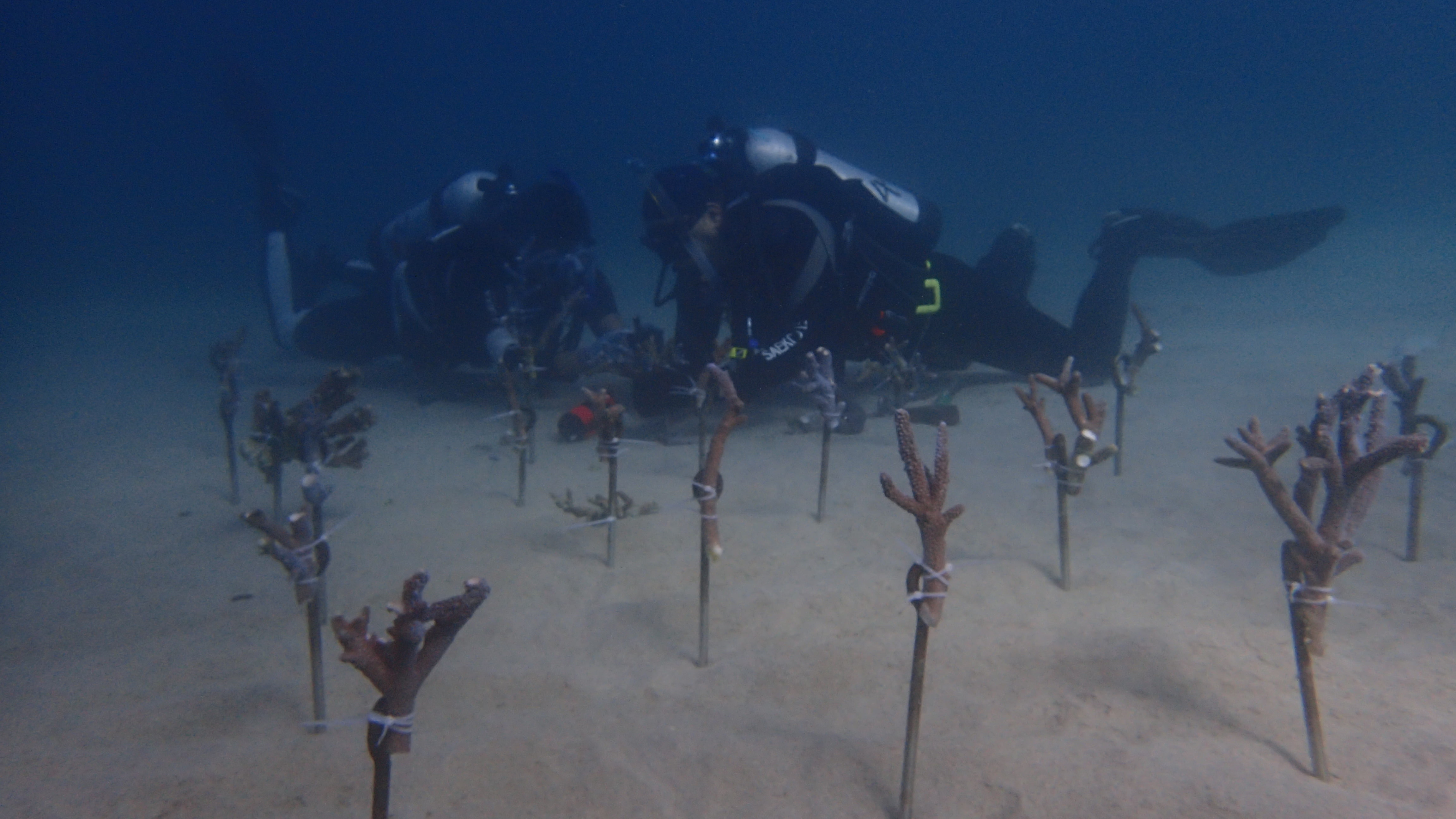
To address this, the Marine National Park Headquarters has initiated a coral conservation program. Local coral fragments are being transplanted using a fragmentation method onto sandy substrates to restore coral habitats and support ecosystem recovery.
Summer Heat and Winter Cold Trigger Coral Decline
At the end of February, persistent low temperatures caused significant mortality among reef and aquaculture fish in Magong, and the Southern Four Islands also experienced a large number of reef fish being displaced to coastal areas due to the cold snap. To investigate whether prolonged low water temperatures affected shallow-water corals, MNPH conducted underwater inspections around the Southern Four Islands.
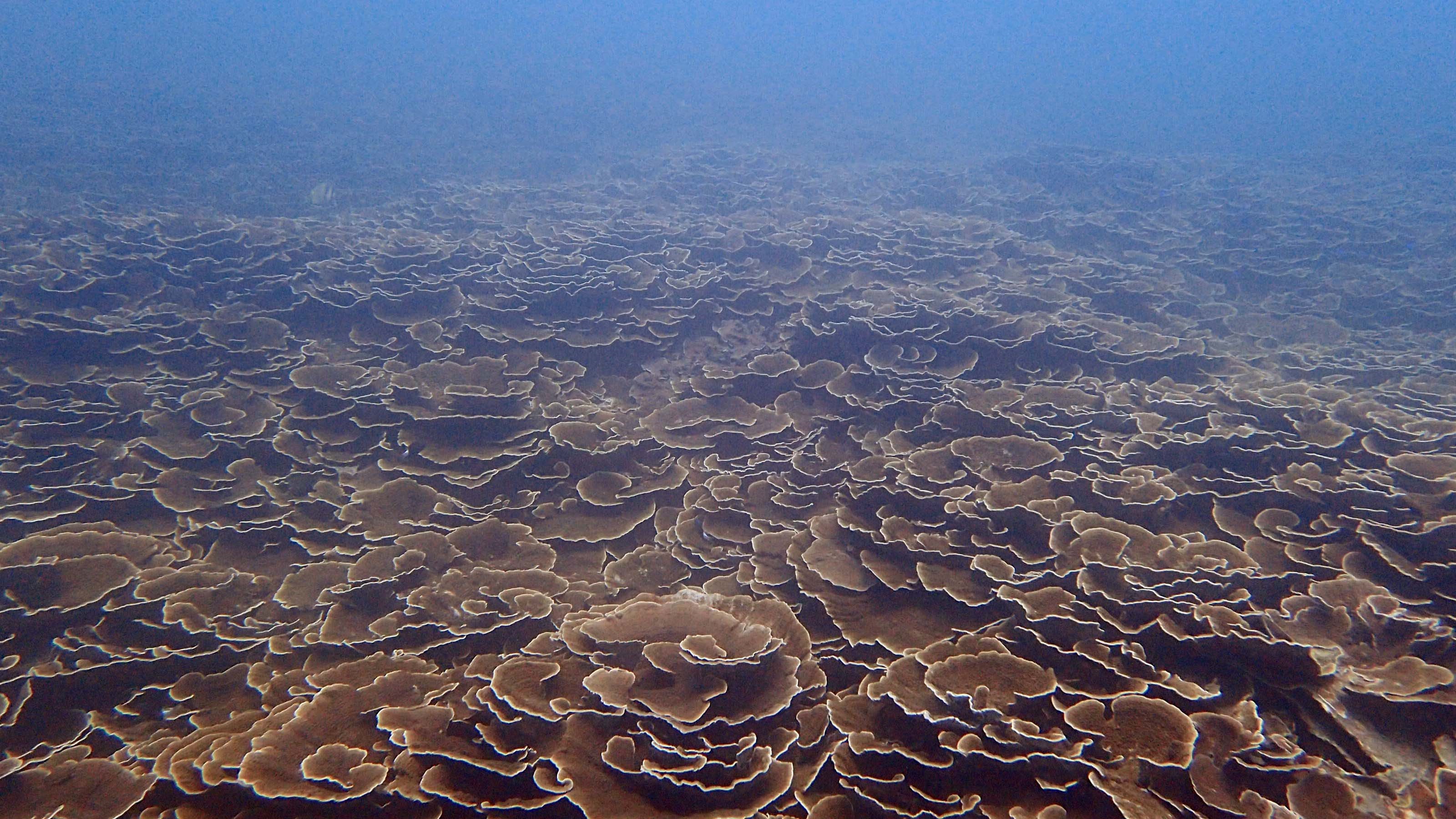
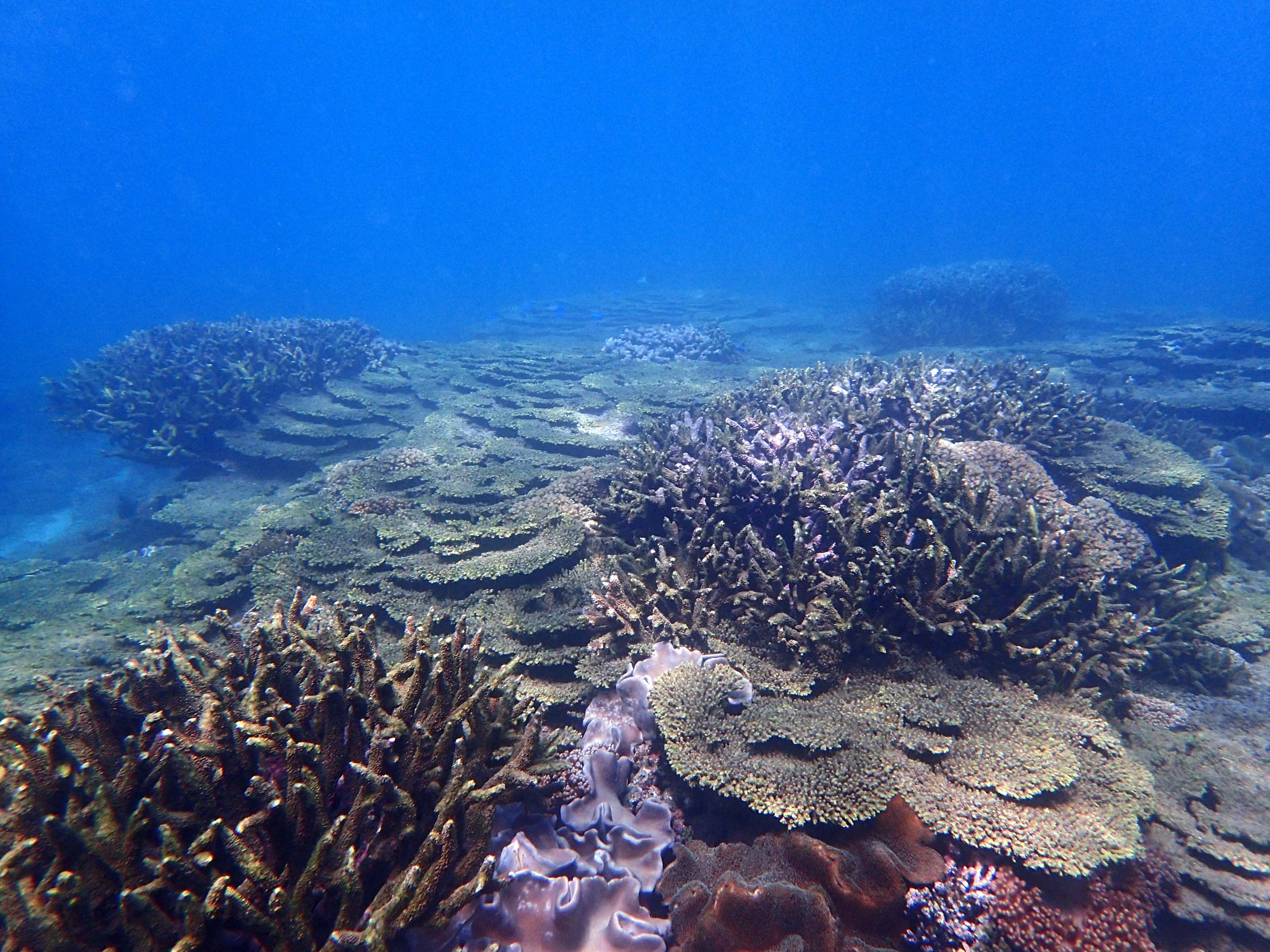
The surveys revealed severe mortality in previously dominant species, including table-shaped Acropora and plate-like Montipora. At the “Lavender Forest” site on the east side of Dongji Island, previously reported coral coverage of 70–80% has dropped to just 19%. At the “Rose Garden” site on the west side of Xiji Island, previously near 100% coverage of plate-like Montipora is now completely overgrown with algae, indicating long-term coral death. The steep decline in coverage has significantly impacted the underwater scenery.
Environmental Changes Weaken Coral Resilience
The Australian Great Barrier Reef, the world’s largest coral reef system, has experienced six major bleaching events since 1998, including consecutive mass bleaching in 2020 and 2021, mainly caused by elevated summer temperatures. Coral is an indicator species that responds sensitively to environmental changes.
Although the corals of the Southern Four Islands survived the 2008 cold snap in Penghu and the 2020 summer-wide bleaching across Taiwan, global climate change has increased the frequency of extreme events. As a result, even previously healthy reefs are facing repeated stress, making the coral ecosystem more fragile.
To maintain coral diversity in the Southern Four Islands, MNPH continues to monitor coral health while conducting experimental “coral planting.” Beautiful Acropora originally from the Dongyuping area are being transplanted by fragmentation onto sandy areas on the west side of Dongyuping to establish new habitats. These efforts aim to restore the vibrant and healthy coral reef ecosystem for which the Southern Four Islands are renowned.
Photo Captions
Penghu Southern Four Islands – Conservation Research Division